
Introduction
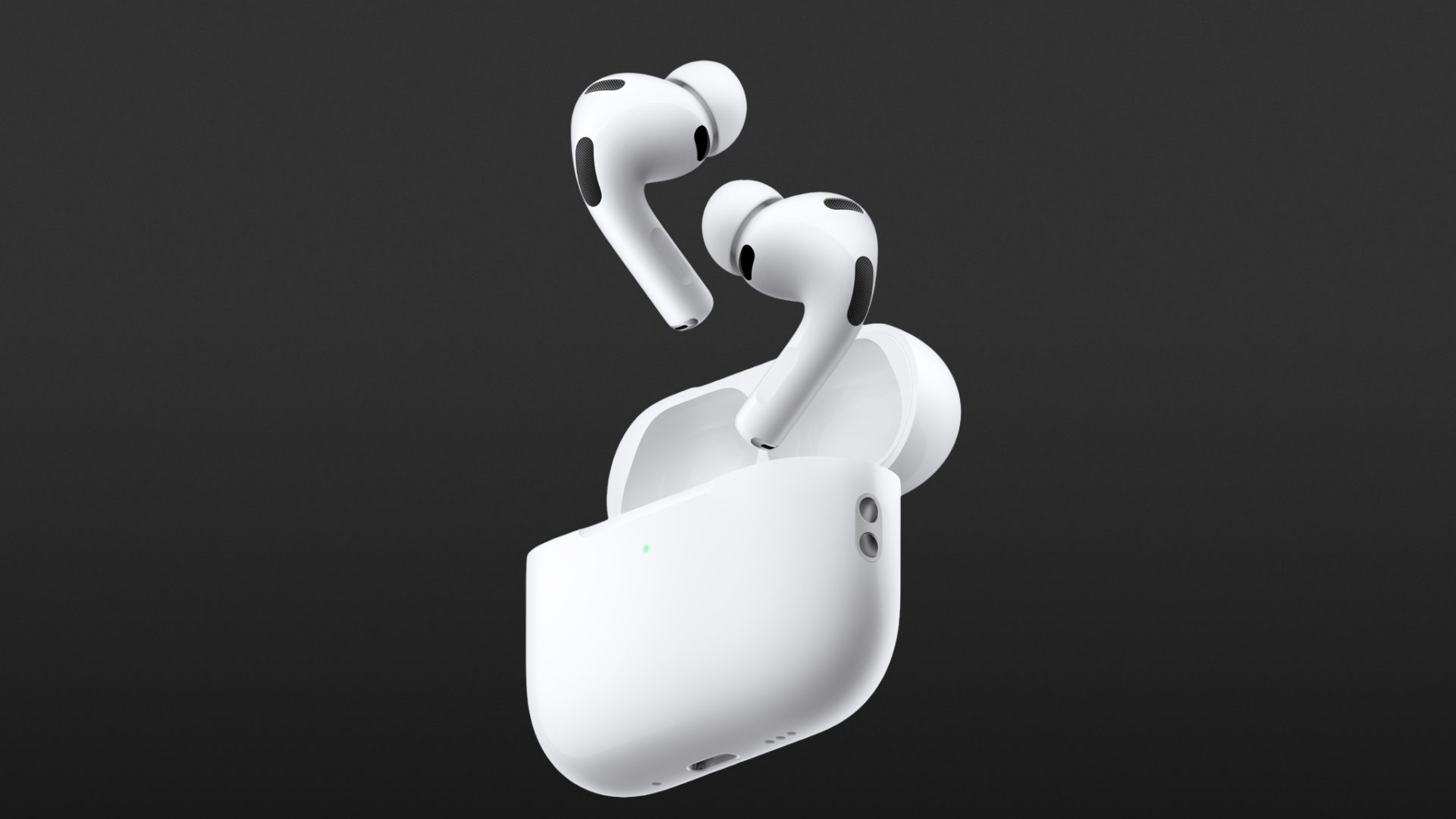
Rumors surrounding the potential release of the AirPods Pro 3 suggest not only enhancements in audio quality and Active Noise Cancellation but also the introduction of infrared cameras, representing a significant leap in functionality. As an avid user who initially faced challenges with fit, I experienced a transformative shift in satisfaction as my ears acclimated to the design. The leap in audio excellence was expected, yet the prospect of integrating IR cameras positions Apple to redefine user interaction through advanced AI functionalities.
Architectural Deep Dive
Apple’s anticipated move to equip the AirPods Pro 3 with infrared cameras suggests a comprehensive rethinking of their audio hardware design. The integration of IR technology will likely enhance the device's capabilities in real-time environmental recognition. This shift aligns with other sectors where infrared sensors are utilized, such as in autonomous vehicles and augmented reality systems, demonstrating their utility in understanding the physical environment surrounding devices.
Mark Gurman indicates that these enhancements will promote a feature dubbed \"Visual Intelligence,\" facilitating interactions that blend auditory experiences with visual awareness. Such adoption of multimodal feedback mechanisms could alleviate some of the limitations inherent in audio-only devices, particularly for users immersed in complex environments.
The camera integration could potentially lead to various functionalities including but not limited to gesture recognition, contextual notifications, and secure access applications. The removal of conventional pressure-sensitive buttons, as suggested by leaker Instant Digital, would pivot the user experience toward a more fluid interface predicated on intuitive gestures rather than tactile feedback.
- Enhanced audio quality and noise cancellation are just the beginning.
- IR cameras will help merge audio feedback with visual context.
- Gesture controls could revolutionize user interaction.
Implementation Constraints
Despite the promising capabilities of the infrared cameras, Apple faces critical implementation constraints. The introduction of new hardware components always entails challenges in power consumption, device longevity, and cost implications. The integration of IR cameras necessitates additional battery support, which could influence the overall weight and comfort of the AirPods Pro 3.
Furthermore, the management of AI processing demands will require efficient algorithms capable of interpreting infrared data without degrading the audio performance. Balancing these dual demands, audio fidelity and additional processing power for visual recognition, defines a pivotal engineering challenge for Apple.
In addition, Apple’s history with hardware upgrades suggests that maintaining user-friendly designs while expanding device capabilities is a delicate balance. Past iterations of AirPods faced scrutiny over weight and fit issues, and introducing new hardware must not exacerbate these concerns. Compatibility with existing ecosystems while pushing the boundaries of technology involves multiple layers of diligence from technical teams.
- Power consumption management for dual-processing will be critical.
- Ensuring user comfort with added hardware components is essential.
- The need for robust AI algorithms capable of real-time processing is heightened.
Edge Cases and User Experience
While the potential for the AirPods Pro 3 to utilize infrared cameras is enticing, numerous edge cases must be evaluated. For example, if gesture recognition becomes the primary mode of input, what happens in scenarios where the user is wearing gloves or during periods of physical exertion when gestures may become difficult? The technology must effectively discern between intentional gestures and accidental movements.
Moreover, environmental factors like lighting may affect the efficacy of infrared cameras, especially if their primary function is to augment audio experiences in various contexts. Transitioning between environments with significantly different light conditions could introduce lag or processing errors. The design teams must account for these variables to foster a robust user engagement strategy.
- Gesture detection challenges in uncontrolled environments.
- Reliance on infrared technology requires nuanced design solutions.
- Establishing clear user guidelines for optimal performance is paramount.
Future Considerations for Apple AAPL
Apple's decision to launch AirPods Pro 3 with advanced features like infrared cameras positions the company at the intersection of AI and consumer audio technology. As market demands evolve, particularly within the domains of smartphone and wearable tech, navigating the landscape as a pioneer requires continual evolution. The introduction of two versions of AirPods Pro 3, one standard and one with IR cameras, could mirror strategies seen with other product lines, directing growth in premium sectors.
Ultimately, the success of this innovation hinges on Apple's capacity to intertwine audio performance with visual intelligence seamlessly, expanding user experiences while upholding their reputation for excellence. As these capabilities unfold, the industry will keenly observe whether Apple can sustain its narrative as a leader in technological advancements in consumer audio devices.
